Nayarit's 'Sustainable Tourism' Is A Trojan Horse: Who Really Profits From Mexico's Next Big Boom?

The push for sustainable tourism in Nayarit masks a deeper economic shift. Unpacking the real cost of this 'hidden gem' destination.
Key Takeaways
- •Nayarit's 'sustainable' branding is attracting high-volume, high-impact investment.
- •The influx of capital threatens local resources and drives up the cost of living for residents.
- •The region is following the predictable trajectory of gentrification seen in other Mexican coastal areas.
- •True sustainability is being sacrificed for rapid short-term economic gain.
The Hook: Greenwashing the Riviera Nayarit
Everyone is looking for the next Cabo, the next Tulum. Now, the spotlight blindsides Nayarit, Mexico's supposed answer to eco-conscious luxury. The narrative screams sustainable tourism, pristine beaches, and authentic culture. But peel back the glossy brochure, and the real story of Mexican tourism development emerges: it’s not about saving the rainforest; it’s about maximizing shareholder value before the environmental reckoning arrives.
The current buzz around Nayarit focuses heavily on its purported commitment to nature lovers and cultural seekers. This is the carefully curated marketing language designed to attract high-yield, low-impact travelers. But the unspoken truth is that this region is being rapidly gentrified by capital seeking refuge from the over-saturation and security fears plaguing established hotspots. We are witnessing a classic case of 'asset-stripping' disguised as conservation.
The 'Meat': Beyond the Eco-Lodge Facade
Nayarit’s appeal—from the jungle retreats near Sayulita to the emerging luxury zones—is real, but the framework supporting it is fragile. While small, local operators may genuinely embrace sustainability, the large-scale infrastructure projects required to handle the influx of international visitors (the real money) necessitate compromises. Where is the massive investment in water treatment, reliable energy grids, and waste management coming from? Often, these upgrades follow the money, not the ecological plan. This rapid expansion puts immense pressure on local resources, driving up real estate costs and displacing the very communities whose culture is being marketed as an amenity.
The key word here is tourism investment. When major international hotel chains and foreign developers enter a market under the banner of 'sustainability,' it often means securing land rights cheaply, building high-margin properties, and exporting the profits. The local benefit often remains limited to low-wage service jobs. This isn't environmental stewardship; it’s strategic land acquisition.
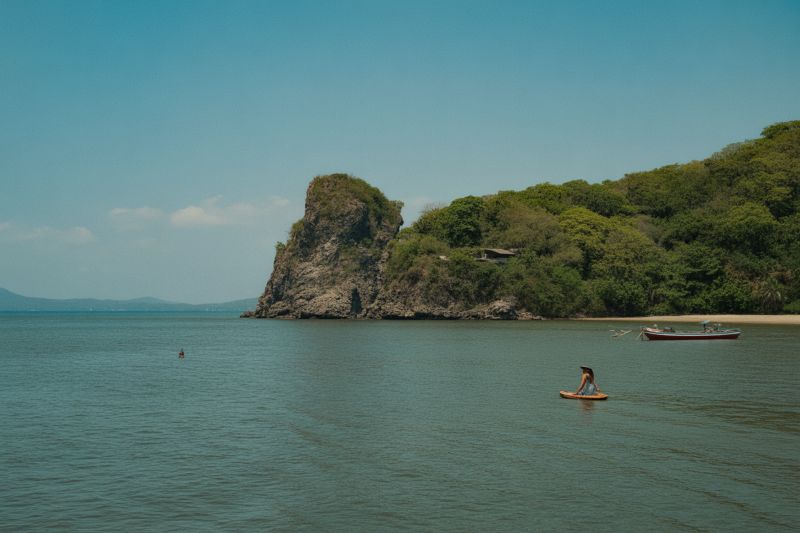 The inevitable visual of Nayarit’s rising profile.
The 'Why It Matters': The Gentrification Cascade
The historical pattern in Mexican coastal development is clear. First, the whispers of a 'hidden gem.' Second, the boutique, sustainable pioneers arrive. Third, the major developers—and the attendant infrastructure—follow, destroying the very authenticity that drew the first wave. Nayarit is now entering Phase Three. The environmental certifications are merely the permission slip for high-density development. True sustainability requires decades of managed growth, not a 5-year gold rush. For the locals, the cost of living skyrockets, and the control over their ancestral lands diminishes. This is the hidden cost of 'responsible travel.'
What Happens Next? The Prediction
Within five years, Nayarit will face the same crisis points as Tulum: water scarcity, traffic gridlock in coastal towns, and skyrocketing rental prices pushing out long-term residents. The 'sustainable' label will become functionally meaningless, used only as a marketing afterthought. The next wave of savvy investors will already be looking south to Oaxaca or north to Baja’s less-developed stretches. Nayarit’s moment as the 'hidden gem' will end, replaced by the familiar, polished veneer of mass-market luxury that Mexico has perfected. The only sustainable element will be the cycle of capital extraction.
Key Takeaways (TL;DR)
- Nayarit's sustainability push is primarily a marketing tool to attract premium foreign investment.
- Rapid large-scale development strains local infrastructure far faster than 'eco-friendly' promises can mitigate.
- The real economic winners are the international developers, not necessarily the local populace whose culture is commodified.
- Expect Nayarit to mirror the overdevelopment issues of established Mexican Riviera destinations within the next decade.
Frequently Asked Questions
What is the primary economic driver behind the recent focus on Nayarit?
The primary driver is the massive influx of foreign real estate and hospitality investment seeking new, less saturated luxury markets, often leveraging the 'sustainable' narrative for premium pricing.
How does 'sustainable tourism' in this context differ from genuine conservation?
Genuine conservation requires long-term, locally-led commitment to infrastructure and resource management. In Nayarit's case, the term often acts as a regulatory loophole or marketing veneer to justify large-scale development that benefits external capital.
What are the main risks for current residents in Nayarit?
The primary risks are displacement due to skyrocketing property values and rental costs, and increased strain on vital resources like fresh water and reliable energy supplies due to rapid hotel and condo construction.
Which established Mexican destinations is Nayarit being compared to?
Nayarit is frequently compared to the early, less developed phases of Tulum and Cabo San Lucas, which have since experienced significant overdevelopment and environmental challenges.
