The Quiet Hustle: Why Marquis Who's Who Honors Are the New Barometer for Unseen Entrepreneurship Power

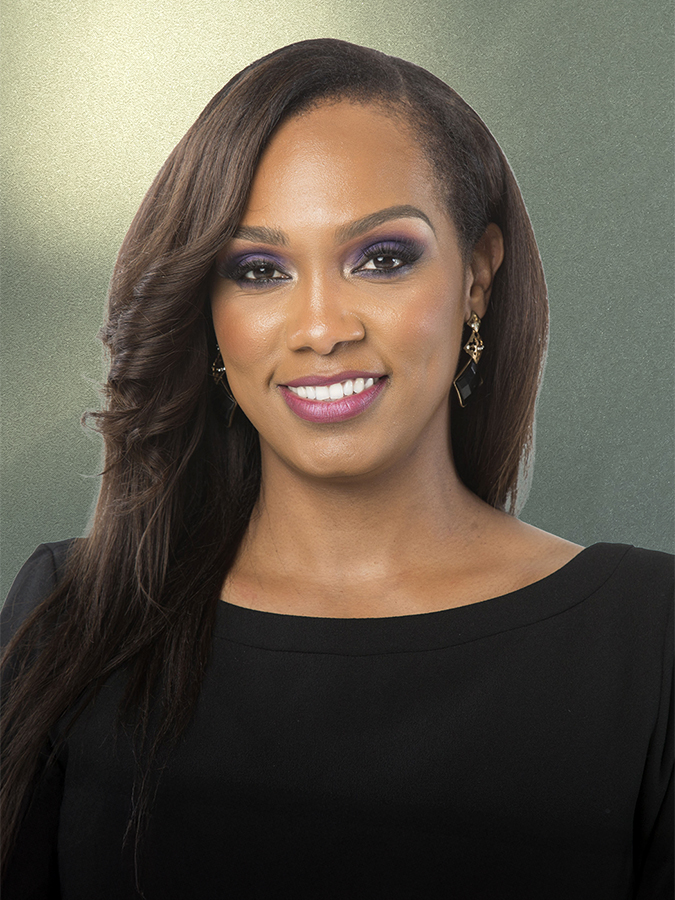
Unpacking the true meaning behind the Marquis Who's Who honor for Samantha Harris amidst the noise of modern entrepreneurship.
Key Takeaways
- •The honor signals a shift away from pure valuation metrics toward integrated success in business and social impact.
- •Dual recognition validates the 'Integrative Entrepreneur' model over singular, profit-only focus.
- •Public trust erosion favors leaders who demonstrate accountability beyond shareholder returns.
- •Future talent acquisition will increasingly favor mission-aligned leaders recognized for holistic impact.
The Unspoken Truth About Prestige in the Age of Silicon Valley Hype
In the relentless churn of modern business news, where every startup founder with a seed round claims to be 'disrupting' the world, genuine recognition often gets lost. When entrepreneurship is quantified purely by valuation and venture capital, what happens to the quiet operators—the ones building sustainable ventures alongside meaningful nonprofit work? The recent recognition of Samantha Harris by Marquis Who's Who for excellence in both fields isn't just a pat on the back; it’s a subtle, yet potent, counter-narrative to the current obsession with unicorn status.
This isn't about the Forbes 30 Under 30 list, which favors speed and scale above all else. This is about longevity, dual impact, and the often-unseen scaffolding of true community building. The key question nobody is asking is: Who really benefits from this type of recognition?
The Dual Mandate: Profit vs. Purpose
Harris’s dual recognition in entrepreneurship and nonprofit services highlights a tectonic shift in what success looks like. For years, the narrative dictated that serious business required singular focus—profit above all. The nonprofit sector was often relegated to a separate, less serious sphere. This honor challenges that dichotomy. It suggests that the most resilient modern business models integrate purpose directly into their operations, not just as a CSR afterthought.
We must analyze the hidden agenda: Marquis Who's Who, a long-standing arbiter of biographical distinction (a history you can trace through older directories, though modern digital equivalents dominate), is signaling a shift in the criteria for 'notable achievement.' They are validating the 'Integrative Entrepreneur'—the operator who understands that community trust and social capital can be more durable than fleeting market sentiment. This is a direct challenge to the 'growth-at-all-costs' mentality plaguing the tech sector. For established entrepreneurship, this is a warning shot.
Deep Analysis: The Erosion of Trust and the Rise of Proven Impact
Why does this matter now? Because public trust in pure-play, profit-driven entities is waning. Scandals involving data privacy, labor practices, and perceived social indifference have made consumers hungry for authenticity. An entrepreneur who simultaneously manages a successful business and sustains a significant nonprofit effort provides a powerful shield against cynicism. It suggests accountability beyond shareholders, extending to stakeholders.
This trend has massive implications for talent acquisition. Younger generations entering the workforce are prioritizing mission alignment over salary alone. Recognizing this dual proficiency—this 'Integrative Excellence'—is a strategic move to capture the best emerging talent. Traditional entrepreneurship models relying solely on aggressive scaling may find themselves outmaneuvered by these purpose-driven competitors who build deeper loyalty.
What Happens Next? Prediction on the Future of Recognition
The future of professional recognition will bifurcate. On one side, we will see hyper-specialized, rapid-fire awards focused solely on technological disruption and immediate ROI. On the other, we will see the rise of 'Holistic Impact Awards,' similar to this recognition, which prioritize demonstrated stability across commercial viability and social contribution. We predict that within five years, major business schools will begin formally grading 'Social Integration Metrics' alongside P&L statements for MBA candidates seeking top placements. The days of purely mercenary business leadership are numbered; the era of the responsible operator is ascending.
Frequently Asked Questions
What is the significance of a Marquis Who's Who induction today?
While less flashy than venture capital awards, a Marquis Who's Who induction signifies established, vetted, and sustained professional achievement across a career, lending credibility that rapid startup awards often lack.
How does 'Integrative Entrepreneurship' differ from Corporate Social Responsibility (CSR)?
CSR is often a separate department or initiative layered onto existing operations. Integrative Entrepreneurship means the social or nonprofit mission is fundamentally woven into the core business model and value proposition.
Are traditional metrics for entrepreneurship becoming obsolete?
Not obsolete, but they are being supplemented. High valuation remains important, but market resilience now demands proof of positive societal contribution to maintain consumer and talent loyalty.
What is the hidden challenge for entrepreneurs recognized for both business and charity?
The challenge is maintaining perceived authenticity in both spheres; critics will scrutinize whether the nonprofit work is genuinely impactful or merely a marketing veneer for the business.