The Gaza Famine 'Reprieve': Why UN Data Is the New Battlefield in a War of Narratives

The temporary halt of famine in Gaza is a fragile victory, but the real story is the weaponization of health statistics and sustained humanitarian aid.
Key Takeaways
- •The famine reprieve is statistical, not structural; it depends entirely on fragile, ongoing aid flows.
- •Health metrics are being weaponized to reduce international pressure without solving the root causes of deprivation.
- •The next major crisis will likely be infectious disease outbreaks driven by collapsed sanitation, not just hunger.
- •Dependency on emergency aid creates a dangerous political lever for controlling the narrative and leverage.
The Unspoken Truth: A Statistical Victory, Not a Moral One
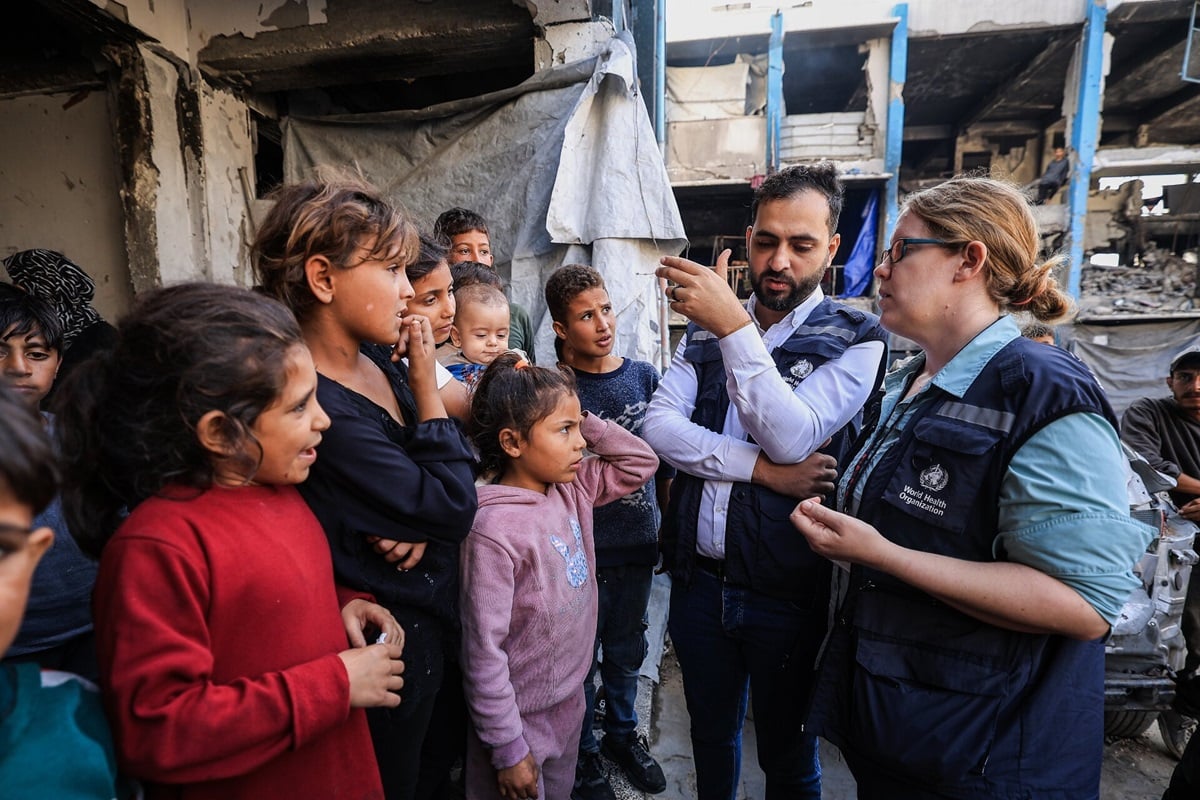
The World Health Organization (WHO) and other UN agencies have offered a sliver of relief, announcing that the catastrophic classification of famine in the Gaza Strip has been momentarily pushed back. This is the headline everyone wants to read: famine averted. But let's be clear: this isn't a victory for logistics; it’s a statistical tightrope walk maintained by emergency aid, a razor's edge that proves the system was fundamentally broken to begin with. The true story isn't the temporary reprieve; it’s the cynical calculus behind the data used to define human suffering.
The critical keywords here are Gaza health crisis, humanitarian aid, and famine statistics. The data shows that while the initial, most acute phase of starvation may have been momentarily interrupted, the underlying fragility remains absolute. This fragile gain is entirely dependent on a continuous, unhindered flow of humanitarian aid—a flow that political actors can choke off at any moment. Who truly wins? Those who can control the narrative of suffering and relief.
The Weaponization of Health Metrics
We must dissect the mechanism of this announcement. Famine classification relies on strict IPC (Integrated Food Security Phase Classification) metrics. When agencies declare a temporary reprieve, it often means that the absolute number of people hitting the most extreme threshold has slightly decreased, usually due to emergency feeding programs. This creates a dangerous political dividend: it allows external bodies to claim success or reduce pressure, even while millions remain severely food insecure, malnourished, and facing overwhelming Gaza health crisis indicators.
The unspoken agenda is the normalization of dependency. By framing the situation as a near-miss averted by timely aid, the focus shifts away from the root cause of the deprivation. The real scandal isn't just the hunger; it's the fact that a population of this size could be pushed to the brink of starvation in the first place, requiring continuous, high-stakes intervention merely to survive. The data becomes the ultimate political tool, minimizing the perceived urgency just enough to allow diplomatic maneuvering to proceed without the overwhelming moral pressure that a full famine declaration would generate. For analysis on the IPC scale, see the official methodology [on the IPC website](https://ipcinfo.org/).
Where Do We Go From Here? The Prediction
The current trajectory is unsustainable. My prediction is stark: without a permanent cessation of hostilities and the establishment of robust, secure aid corridors, the famine classification will return with greater severity within six months.
Why? Because emergency aid is a stop-gap, not a solution. It does not rebuild infrastructure, restore agricultural capacity, or ensure the long-term availability of clean water—all critical factors in preventing a relapse into acute malnutrition and disease outbreaks, which are now the secondary, equally devastating public health threat. Expect the next major international headline not to be about food delivery, but about a massive, preventable epidemic spurred by collapsing sanitation and overwhelmed medical facilities. The current focus on caloric intake is masking the ticking time bomb of infectious disease, a far more indiscriminate killer in a densely populated, traumatized area. Read more about post-conflict disease burdens from the [World Health Organization's general reports](https://www.who.int/).
The Long Shadow of Aid Dependency
This situation solidifies a dangerous precedent for future conflicts. It proves that humanitarian intervention, while necessary for immediate survival, can become an extension of the political conflict itself. The ability to deliver or withhold aid grants immense leverage. The international community must look beyond the immediate IPC score and focus on the structural failures allowing this level of vulnerability. The sheer scale of the required humanitarian aid signals a governance vacuum that must be addressed for any lasting stability. For context on the scale of necessary aid, Reuters has detailed the requirements [in recent reports](https://www.reuters.com/).
Frequently Asked Questions
What is the IPC scale used to define famine?
The IPC (Integrated Food Security Phase Classification) scale has five phases. Phase 5 is Catastrophe/Famine, defined by specific, severe thresholds related to acute malnutrition and death rates among the population.
Why is sustained humanitarian aid so difficult to maintain in Gaza?
Sustained aid is hampered by security risks, bureaucratic obstacles, damage to essential infrastructure (roads, ports), and fluctuating political permissions for entry and distribution.
What are the secondary health risks besides starvation in the Gaza Strip?
Major secondary risks include outbreaks of waterborne diseases (like cholera and typhoid) due to lack of clean water and sanitation, and the rapid spread of respiratory infections in overcrowded shelters.
How does a 'famine averted' announcement impact international funding?
It often leads to donor fatigue or a perceived reduction in urgency, making it harder for agencies to secure the massive, long-term funding required to prevent the situation from immediately deteriorating again.