The Food Bank Illusion: Why Bronx Church Aid Masks a Deeper Crisis of American Inequality

The Bronxwood Church's food distribution offers temporary relief, but it exposes the systemic failure in addressing persistent urban food insecurity.
Key Takeaways
- •Church food distributions highlight systemic failures, not just local charity.
- •The reliance on emergency aid normalizes inadequate public welfare support.
- •Demand for food aid will likely increase, forcing consolidation under larger national non-profits.
- •The core issue remains stagnant wages and high living costs in areas like the Bronx.
The Unspoken Truth Behind the Weekly Food Line
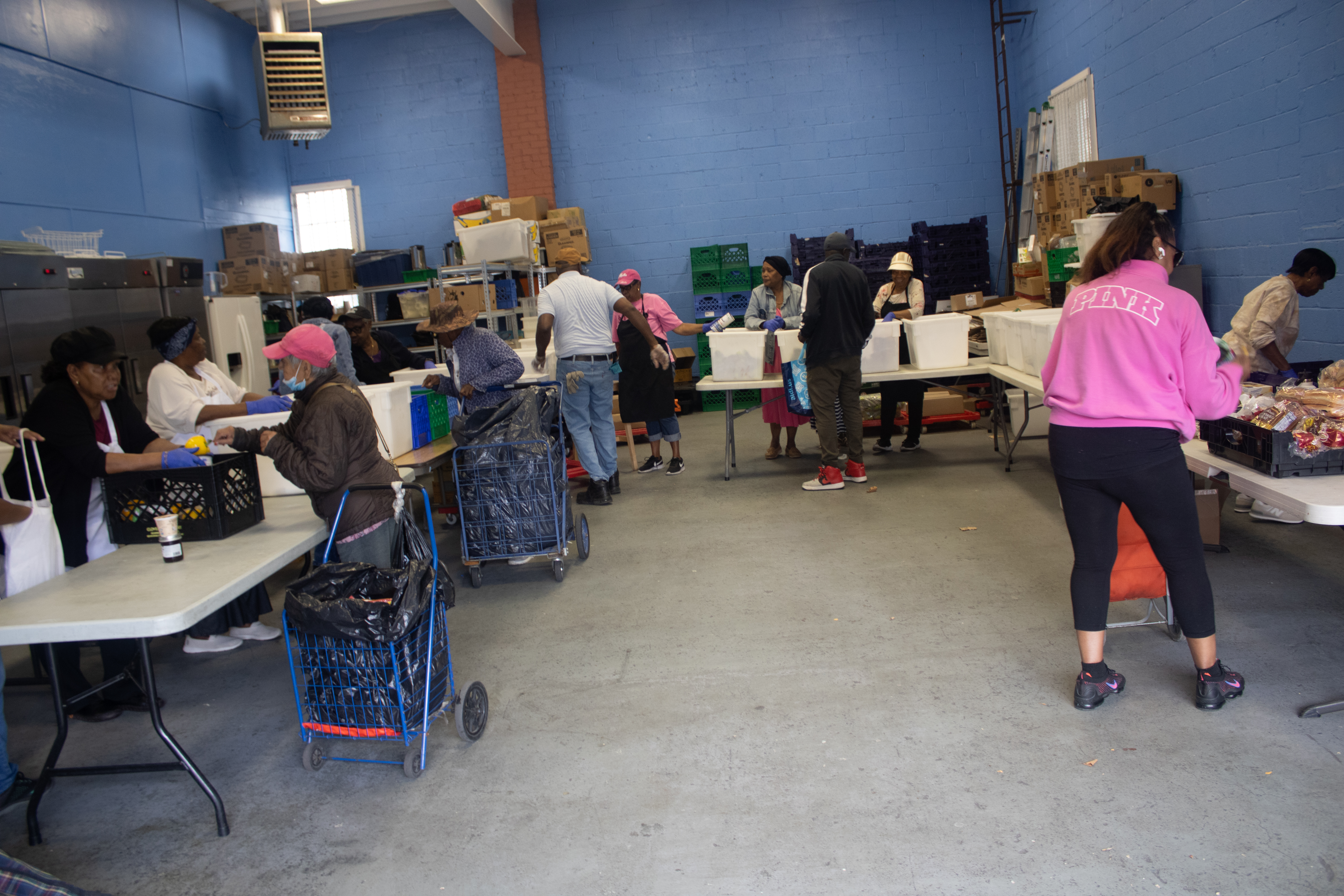
We see the photos: dedicated volunteers, long lines, mountains of donated groceries. The Bronxwood International Church of God stepping up to host crucial food distributions every Wednesday and Saturday through December is presented as an act of localized charity. But as investigative journalists, we must look beyond the feel-good optics. This isn't just about generosity; it’s a stark, flashing indicator of systemic failure in one of the world's wealthiest nations. The real story isn't the church’s benevolence; it’s the staggering, persistent reality of food insecurity in the Bronx.
While the immediate impact is vital—families eat tonight—the long-term implications are ignored. These church-led efforts, however noble, function as a societal pressure valve. They absorb the shockwave created by stagnant wages, skyrocketing inflation, and inadequate social safety nets. Who truly wins here? The politicians who can point to private charity masking public neglect, and the corporations whose low-wage models rely on this volunteer infrastructure to keep their workforce minimally sustained. The loser? The resident waiting in line, whose dignity is chipped away one weekly handout at a time.
The Economics of Emergency Aid
Analyzing this trend requires understanding the mechanics of urban poverty. The Bronx consistently ranks among the highest areas for poverty rates in New York City. When a local institution must dedicate significant resources—space, volunteer hours, and logistical effort—to primary sustenance, it signals that the baseline economic environment is hostile to survival for a significant portion of the population. This isn't a temporary blip; this is the structural reality of modern American capitalism colliding with hyper-localized economic disparity. We are outsourcing essential public welfare functions to religious organizations, a trend that shifts accountability away from municipal governance.
Consider the keyword density here: every time a church hosts a food distribution, it reinforces the normalization of emergency reliance. We celebrate the band-aid while the wound festers. This reliance on emergency food access, often involving non-perishables or inconsistent supplies, is far from comprehensive nutritional support. For a deeper dive into the statistics surrounding food deserts and access, look at the USDA's ongoing reports on national food access challenges. The reliance on these localized efforts is a significant indicator of gaps in federal and state support systems.
Where Do We Go From Here? The Prediction
The immediate future is grimly predictable. As inflation continues its stubborn creep, the demand placed on organizations like Bronxwood will only increase. My bold prediction is this: By the end of the next fiscal year, we will see a significant consolidation of these decentralized food efforts. Large, well-funded national non-profits, sensing the scale of the need and the inefficiency of fragmented efforts, will begin absorbing or partnering with smaller, overworked local churches. This will professionalize the charity but further dilute local community control and autonomy. The 'local church' story will morph into a 'national logistics operation' story, further obscuring the root cause of the food insecurity.
The contrarian view is that this crisis *must* eventually force a political reckoning on the minimum wage and housing costs, but history suggests systemic change is glacial. For now, expect more lines, more volunteers, and more temporary fixes masking a permanent problem. We must stop praising the symptoms and start demanding cures for the economic disease.
Frequently Asked Questions
What is the primary economic driver behind increased food distribution needs in the Bronx?
The primary drivers are the gap between stagnant wages and the soaring cost of living, particularly housing, which forces residents to prioritize rent over consistent, nutritious food purchases, leading to chronic food insecurity.
How does relying on church food distribution mask larger policy issues?
It functions as a distraction. When private charities successfully feed the hungry, it lessens the immediate political pressure on local and state governments to implement structural policy changes regarding welfare, minimum wage, or affordable housing.
What are the long-term nutritional consequences of relying on emergency food aid?
Emergency aid often favors non-perishable, calorie-dense items over fresh produce, contributing to poor long-term dietary health, higher rates of diet-related illnesses, and exacerbating existing health disparities within the community.
Are there other high-authority sources detailing food deserts in NYC?
Yes, organizations like the Food Bank For NYC and reports from reputable outlets such as The New York Times frequently cover the geographic and economic barriers to fresh food access in boroughs like the Bronx.
Related News

The Oregon Health Mirage: Why 'Wake-Up Calls' Are Just Noise for the State's Collapsing Economy
Oregon's proclaimed healthcare crisis isn't a system failure; it's a symptom of deep fiscal rot threatening the entire state economy.

The $5,300 Chicken Donation: Why Corporate Philanthropy is the New PR War for Food Scarcity
Smart Chicken's massive donation reveals the hidden tensions in the modern food supply chain and the PR game of food insecurity.

The Real Reason Governors Are Obsessed With 'Entrepreneurship' (And Who Is Really Paying)
Governors are pushing aggressive entrepreneurship agendas. But this isn't just about startups; it's a calculated play for demographic control and tax base security.