The 5-Minute Cult: How Obscure Prog Rock Proves Modern Music Has Failed You

The stunning reunion of a Dutch quartet proves the enduring power of deep cuts over today's algorithmic pop music.
Key Takeaways
- •The reunion proves that deep, meaningful music transcends algorithmic promotion.
- •The industry fears this organic discovery because it invalidates current metrics-driven A&R strategies.
- •Future music trends may pivot toward re-interpreting complex, overlooked 70s/80s catalogs.
- •The true winners are the dedicated fans and archivists who preserved the original source material.
The Myth of the Overnight Sensation: When Five Minutes Changes Everything
In the age of algorithmic playlists and instant gratification, the story of this unnamed Dutch quartet—reuniting after 25 years because of a five-minute burst of early **prog rock**—should send a chill down the spine of every A&R executive. This isn't just a feel-good reunion story; it’s a cultural indictment. We are drowning in content, yet starving for meaning. The fact that fans traveled globally to witness this event, triggered by inspiration from the legendary **Soft Machine** catalog, reveals a dark truth about contemporary music consumption: volume has replaced value.
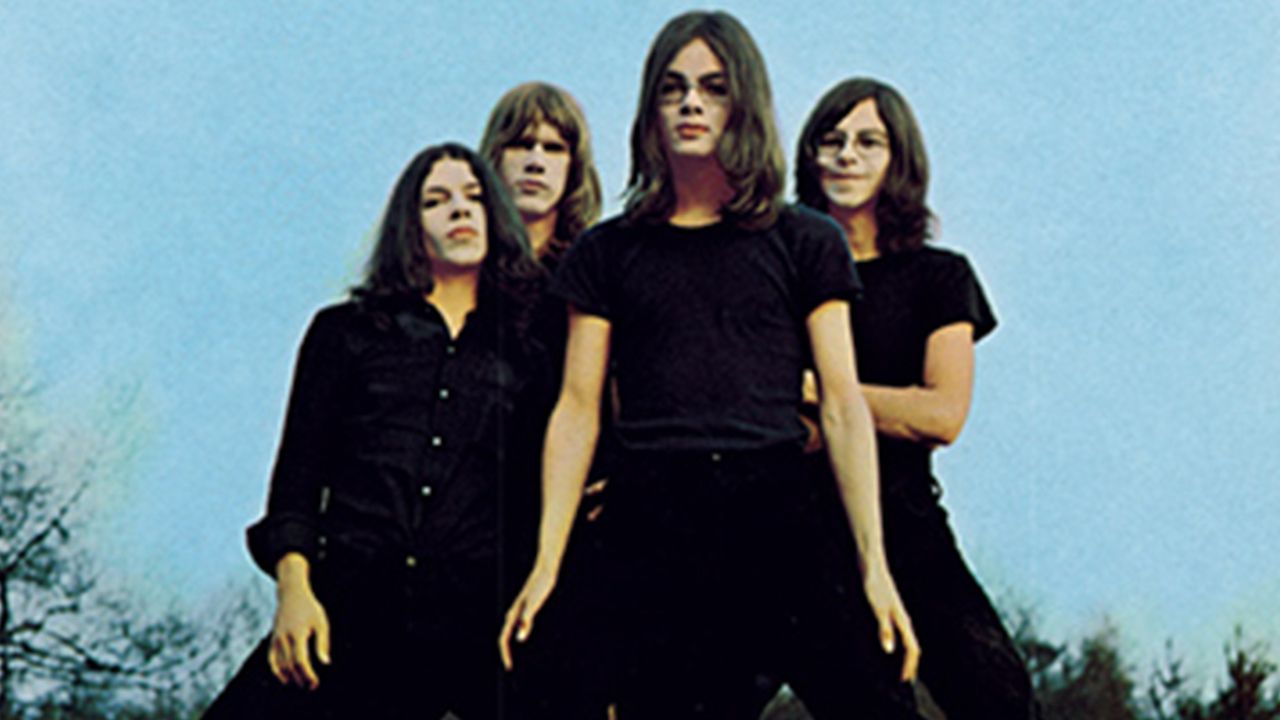
The core narrative, focusing on the emotional impact of a single, obscure album, glosses over the real friction point: music curation. Why did it take 25 years for the world to recognize the importance of this specific sound? Because the industry machine, obsessed with predictable metrics, choked it out the first time around. This quartet's resurgence isn't a victory for them alone; it's a victory for the listener who actively seeks depth over the surface-level noise pumped out by streaming giants. This is about the enduring legacy of **art rock** against the tide of disposable hits.
The Unspoken Truth: The Cult of the Deep Cut
Who truly wins here? Not the band initially, who languished in obscurity. The winners are the dedicated fans who kept the flame alive, and more importantly, the gatekeepers who originally championed the source material—in this case, the foundational influence of Soft Machine, a band synonymous with the Canterbury scene. The unspoken truth is that true cultural impact often operates on a decades-long delay, completely bypassing the quarterly earnings reports.
The industry fears this phenomenon. If a five-minute snippet of an obscure album can generate international pilgrimage, it invalidates the entire current model of manufactured virality. It suggests that authenticity, however niche, has a longer shelf life than hyper-polished, focus-grouped pop. The economic implication? The value isn't in the current hit; it’s in the back catalog that the algorithm struggles to surface correctly. This phenomenon validates the collectors, the archivists, and the deep-dive music journalists who refuse to let history be rewritten by Spotify’s 'Discover Weekly.'

Where Do We Go From Here? The Prediction
Expect a significant, albeit subtle, pivot in music marketing. Labels, seeing the fervor generated by this organic discovery, will attempt to weaponize obscurity. We will see 'Curated Obscurity Campaigns'—deliberate seeding of older, complex tracks into niche online communities, hoping to manufacture a similar 'cult following' effect. This will inevitably fail because the initial appeal of the Dutch quartet was its unforced sincerity.
My bold prediction: The next major wave of musical innovation will not come from new artists, but from *re-interpretation* of the most complex, least commercialized music from the 1970s and early 80s. The youth market, fatigued by repetitive electronic structures, will seek out the harmonic and structural complexity that bands like Soft Machine perfected. The future of cutting-edge music lies in mastering the grammar of the past, not reinventing the wheel with thinner tires. For more on the enduring nature of niche music scenes, see the historical analysis on the impact of early electronic music here.
This reunion is a loud, clear signal: the audience is ready to work for their art again, provided the payoff is profound. The real conversation isn't about the band; it's about our collective failure to value patient, challenging artistry in real-time. It forces us to ask: what other masterpieces are currently being ignored because they don't fit the 15-second TikTok window?
Gallery


Frequently Asked Questions
What is the Canterbury Scene in music history?
The Canterbury Scene refers to a loose collective of progressive rock and jazz fusion musicians originating in and around Canterbury, England, primarily active in the late 1960s and 1970s. Soft Machine is one of its most influential progenitors.
Why is the influence of Soft Machine still relevant today?
Soft Machine is crucial because of its pioneering blend of jazz improvisation, avant-garde composition, and rock energy, influencing genres from ambient to modern progressive electronic music. Their structural complexity offers a rich source for modern musicians seeking depth.
How does algorithmic curation harm music discovery?
Algorithmic curation often prioritizes familiarity, high engagement rates, and short-form content appeal, inadvertently suppressing complex, slow-burn, or niche genres that require sustained listening to appreciate, leading to cultural homogenization.
What is the difference between Prog Rock and Art Rock?
While often overlapping, Prog Rock (Progressive Rock) typically emphasizes complex structures, extended suites, and virtuosity, often drawing from classical music. Art Rock is a broader term for rock music that incorporates non-rock elements and prioritizes artistic expression over commercial appeal.