Forget Topgolf: Why This Tiny Bowling Ball Is South Bend's Real Urban Renewal Weapon

Duckpin bowling just landed downtown South Bend. But this isn't just fun; it's a calculated play in the battle for Midwest entertainment dominance.
Key Takeaways
- •Duckpin bowling's small footprint makes it an ideal, high-frequency anchor for dense downtown areas.
- •This trend signals a strategic shift toward curated, intimate entertainment over massive suburban complexes.
- •The risk is cultural dilution: prioritizing imported nostalgia over authentic local flavor.
- •Success will depend on integration with existing local businesses, not isolation.
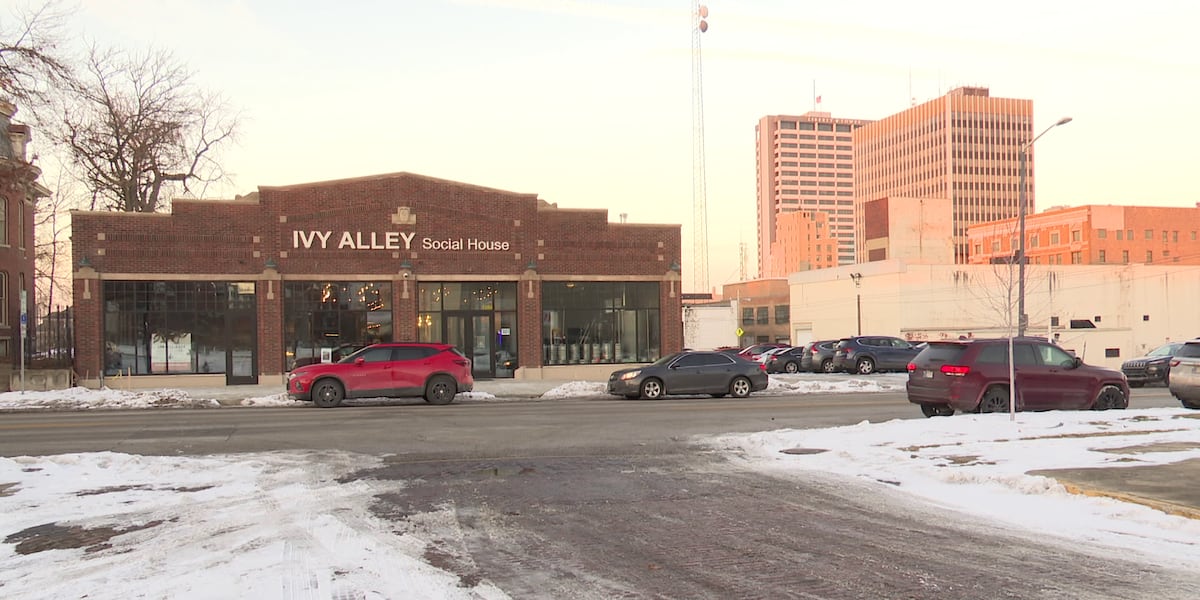
The news cycle is buzzing about another 'new entertainment venue' opening in downtown South Bend, this one featuring the niche sport of duckpin bowling. On the surface, it’s a quaint addition to the local scene—a novelty, perhaps. But stop right there. This isn't about rolling small balls down short lanes; this is a calculated, high-stakes gambit in the war for urban revitalization, and the real winners aren't just the bowlers.
The Unspoken Truth: Nostalgia as a Real Estate Trojan Horse
Why duckpin? In an era dominated by massive, tech-heavy complexes like Topgolf, choosing duckpin—a game popularized in the early 20th century—is a deliberate contrarian move. The unspoken truth is that downtown revitalization requires density and consistent foot traffic, not just occasional spectacle. Big-box entertainment often requires massive parking lots and suburban footprints. Duckpin bowling, however, thrives in small, intimate, high-rent downtown spaces. It’s a Trojan Horse delivering high-margin, high-frequency entertainment.
The real beneficiaries here are the commercial real estate developers and the city planners pushing for walkability. Duckpin doesn't just draw people in for a single event; its novelty and lower barrier to entry encourage repeat, spontaneous visits—the lifeblood of a sustainable downtown economy. We are witnessing a strategic pivot away from 'destination' entertainment toward 'neighborhood anchor' businesses. This focus on unique entertainment venues signals a maturity in South Bend’s development strategy.
The Cultural Cost: Diluting Genuine Local Flavor
While the economic metrics might look rosy, we must analyze the cultural cost. Every time a city embraces a curated, retro-chic concept like duckpin bowling, it risks sanding down the authentic, gritty edges that often define Midwestern cities. Is this venue genuinely filling a cultural void, or is it simply importing a trend already saturated in places like Brooklyn or Austin? The danger lies in creating a sterile, easily digestible version of 'fun' that appeals to transient visitors but fails to resonate with long-term residents.
The competition isn't just other bowling alleys; it's the entire spectrum of local leisure. If these entertainment venues prioritize high-margin craft cocktails over genuine community connection, the short-term boost in tax revenue will be offset by a long-term erosion of local identity. This is the central tension: balancing successful commerce with authentic culture.
Where Do We Go From Here? The Prediction
Expect the success of this initial duckpin venue to trigger an immediate, aggressive wave of 'niche nostalgia' concepts. Within 18 months, South Bend will see at least two other concepts attempting to capture this momentum—think vintage arcade bars or axe-throwing venues. However, the truly successful venues will be those that integrate deeply with existing infrastructure, perhaps partnering with local breweries or restaurants, rather than operating as isolated islands of fun. If this venue fails to anchor itself to the existing fabric of downtown South Bend, it will become just another fleeting fad, a cautionary tale in the playbook of urban development.
The future of entertainment in mid-sized cities hinges not on importing mega-brands, but on perfecting these smaller, high-density, curiosity-driven experiences. South Bend is testing the waters of this trend right now.
Gallery


Frequently Asked Questions
What is the main difference between duckpin bowling and traditional ten-pin bowling?
Duckpin bowling uses smaller, hand-sized balls (weighing no more than 3 lbs 6 oz) and shorter, narrower lanes. The pins are also shorter and squat, making the game significantly harder to master.
Why are retro entertainment venues suddenly popular in city centers?
They capitalize on nostalgia, offer a distinct social media-friendly experience, and fit well into smaller, repurposed urban real estate where massive venues are impractical. They drive repeat, spontaneous visitation crucial for urban renewal.
Is duckpin bowling a sustainable long-term business model for cities?
It can be, provided the venue integrates into the local nightlife ecosystem. Its sustainability relies on its ability to attract repeat customers beyond the initial novelty factor, often through food/beverage sales.
How does this type of venue impact local property values?
Successful, high-traffic entertainment anchors like this increase foot traffic and perceived desirability of surrounding commercial and residential properties, often leading to increased rental rates in the immediate vicinity.